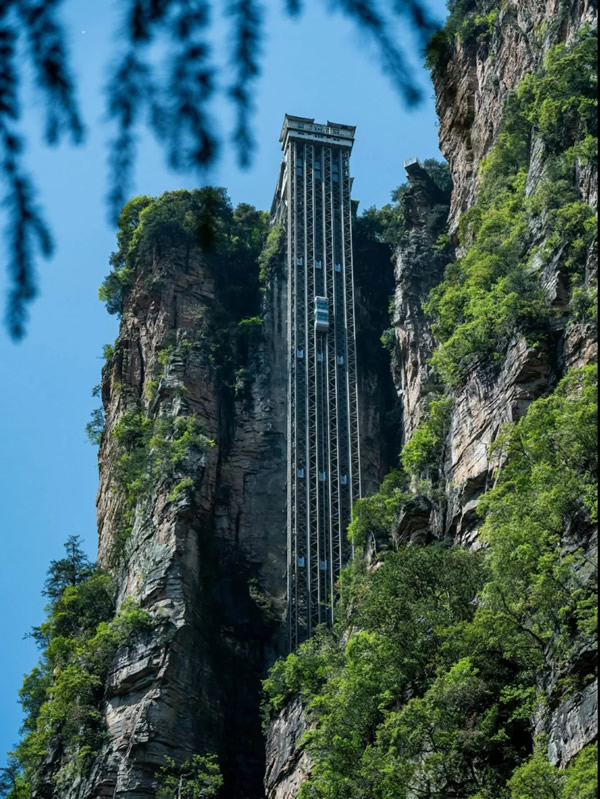
Wulingyuan Scenic Area: A Wilderness of Stone and Mist
Nestled deep in the Wuling Mountains of western Hunan, Wulingyuan is far more than a scenic area — it is a 260-square-kilometer gallery of nature’s most audacious work, where thousands of quartz sandstone peaks rise like a frozen stone ocean, and every gorge and stream holds a quiet secret of the earth’s making. In 1992, UNESCO inscribed it as a World Natural Heritage Site, hailing it as a masterpiece of natural evolutionary history — and to anyone who has wandered its trails, it feels like nothing less.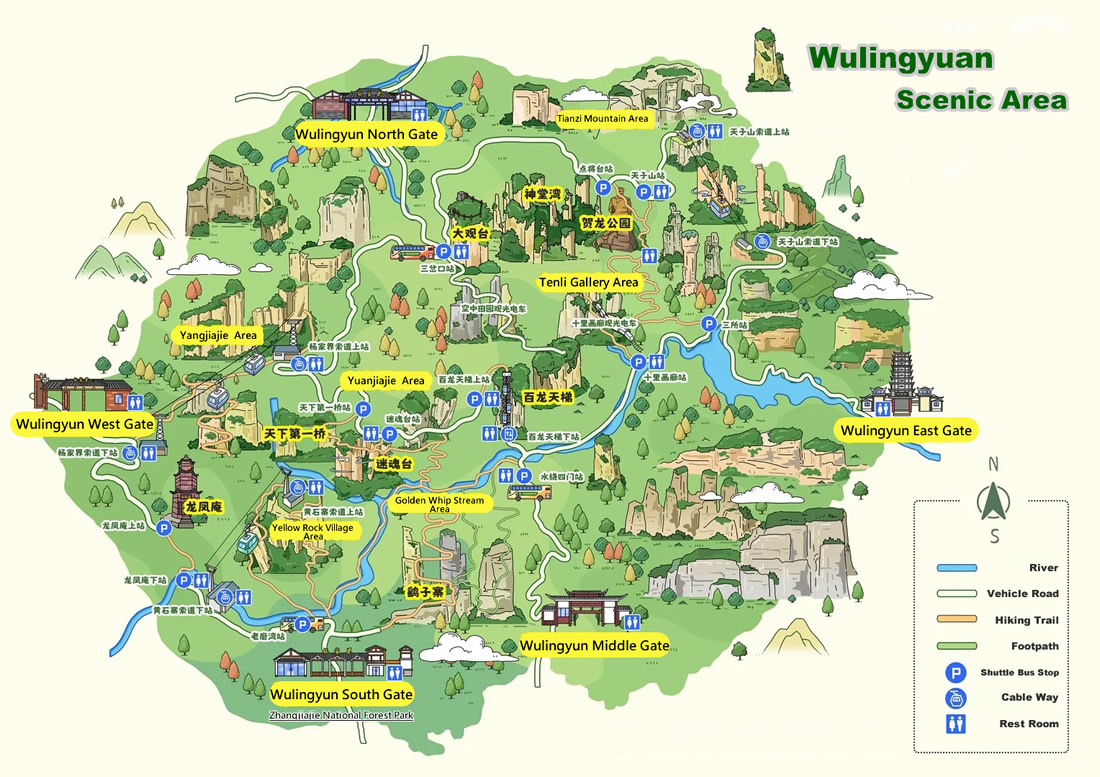
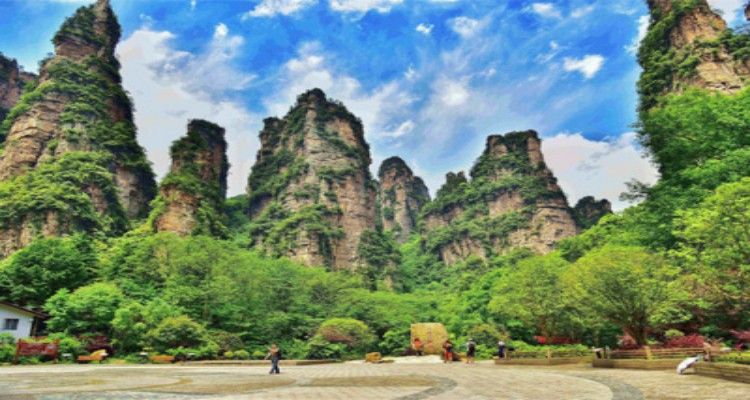
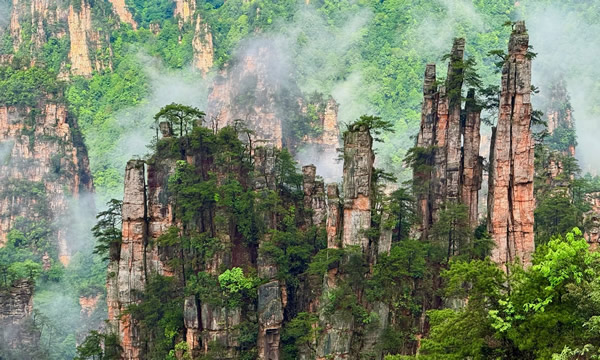
The story of these peaks begins 380 million years ago, when all this land lay beneath a warm ancient sea. Layer upon layer of fine quartz sand settled on the seabed, compacting over eons into thick, solid rock. Then tectonic forces stirred, lifting the entire seabed upward into a vast, flat plateau. For millions of years after that, the work was slow and relentless: rain seeped into cracks, rivers carved through stone, frost split cliffs apart, and gravity sent whole sections tumbling into the valleys. Piece by piece, the plateau was eaten away. What remained was the landscape we see today: over 3,000 isolated pillar peaks, narrow ravines, cascading streams, hidden caves and natural stone bridges — a landform so singular it bears its own name: Zhangjiajie Landform, found nowhere else on Earth.
Wander through Wulingyuan, and every corner unfolds like a new chapter of the story.
In the south lies Zhangjiajie National Forest Park, China’s very first national forest park and the heart of the peak forest. Follow Golden Whip Stream as it winds 7.5 kilometers along the canyon floor, its clear water slipping over smooth pebbles beneath a canopy of subtropical forest. Look upward, and sheer cliffs tower on both sides, draped in vines and dotted with wild lobster flowers. Climb to the flat summit of Huangshizhai, and the entire sea of peaks unfolds before you — a view so iconic that locals still say, “He who does not reach Huangshizhai has never truly seen Zhangjiajie.”
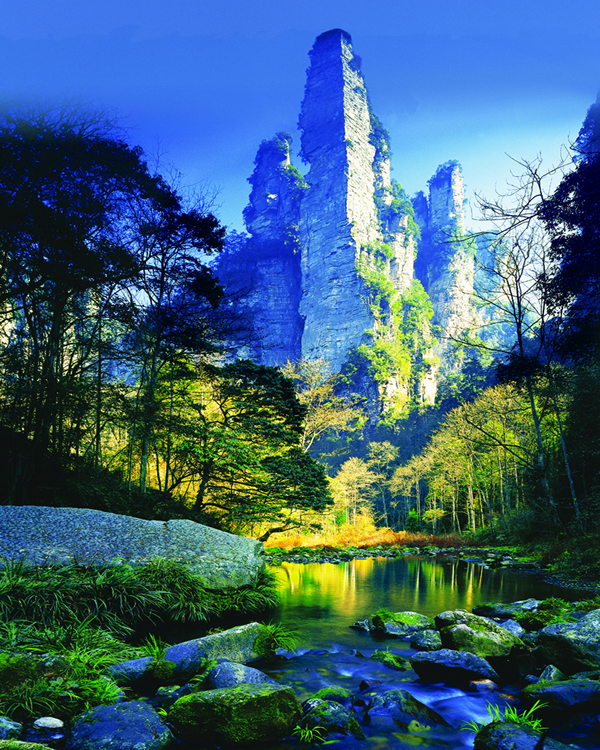
To the north rises Tianzi Mountain, the high kingdom of clouds and old folklore. Here you stand not at the foot of the peaks, but level with their summits, gazing out over endless ranks of stone spires stretching to the horizon. On misty mornings, clouds billow through the valleys until only the tallest tips break through, turning the landscape into a drifting archipelago of rock.
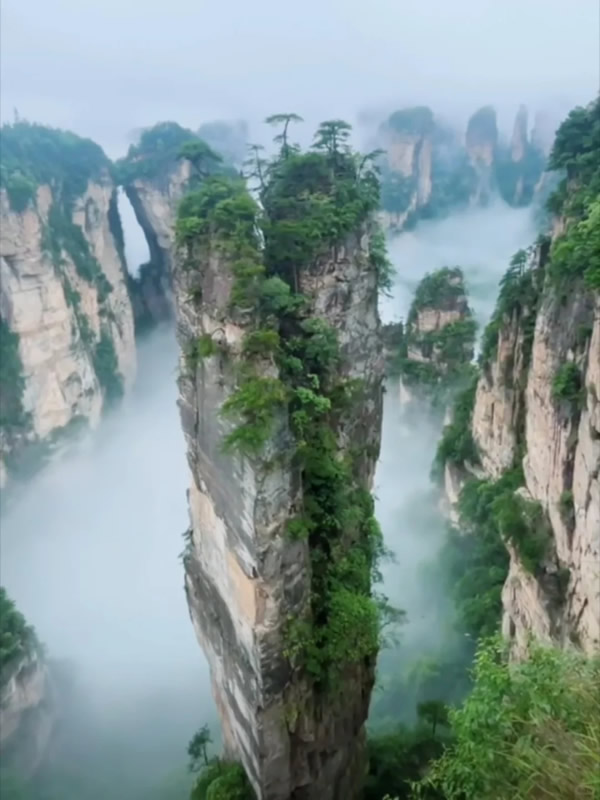
To the east stretches Suoxiyu, the misty valley where water takes the leading role. Calm lakes mirror the peaks like ink paintings; waterfalls tumble down mossy cliffs; and the Ten-Mile Gallery winds through a corridor of weathered rock formations, each sculpted by wind and water into shapes that stir the imagination. Deep beneath the hills lies Huanglong Cave, a vast labyrinth of stalactites and underground rivers, one of the most magnificent karst caves in China.
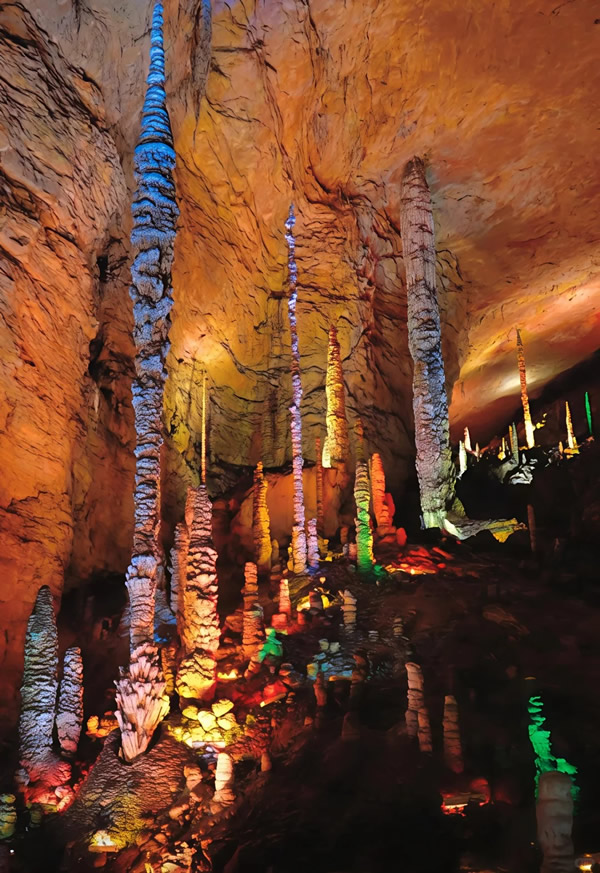
Further west, Yangjiajie remains the wildest, quietest corner of all. With steep ridges, ancient cliff plank roads and far fewer visitors, it feels like stepping back into a wilderness untouched by time.
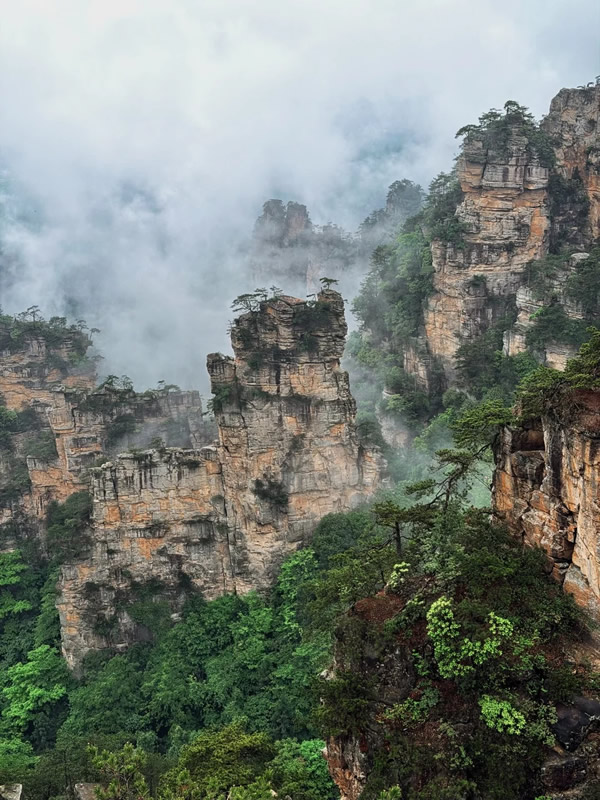
The landscape shifts with every passing season. Spring unfurls tender new green across the valleys and dots the slopes with wild blossoms. Summer wraps the gorges in thick mist and fills the streams with the rush of monsoon rains. Autumn gilds the forest edges with amber and crimson, under crisp, wide-open skies. Winter drapes the peaks in silent snow, turning the whole park into a quiet world of white stone and frost.
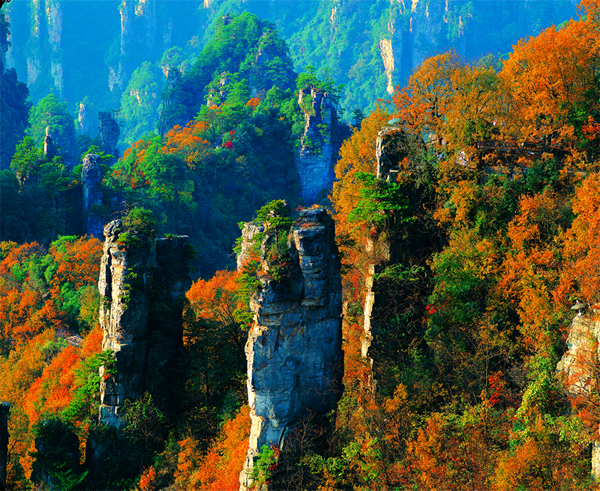
Over 98 percent of the land is cloaked in forest, nurturing a complete subtropical mountain ecosystem. Wild macaques roam the woodlands, giant salamanders live in the clear streams, and golden pheasants flash through the trees. It is both a geological wonder and a living sanctuary for rare and endangered life.
Today, Wulingyuan is known worldwide as the inspiration behind the floating Hallelujah Mountains in *Avatar*, drawing travelers from every corner of the globe. Yet for all its fame, it never loses its quiet, primal magic. To walk its trails is to step into a world older than human history, where every peak bears the mark of millions of years, and every turn of the path reveals a view that feels both timeless and utterly new. It is not merely a place to visit. It is a place to stand still, and marvel at what nature can build, given nothing but stone, water, and endless time.